NISQ Era Quantum Computing: What We Can Actually Do Today
Understanding the NISQ Era
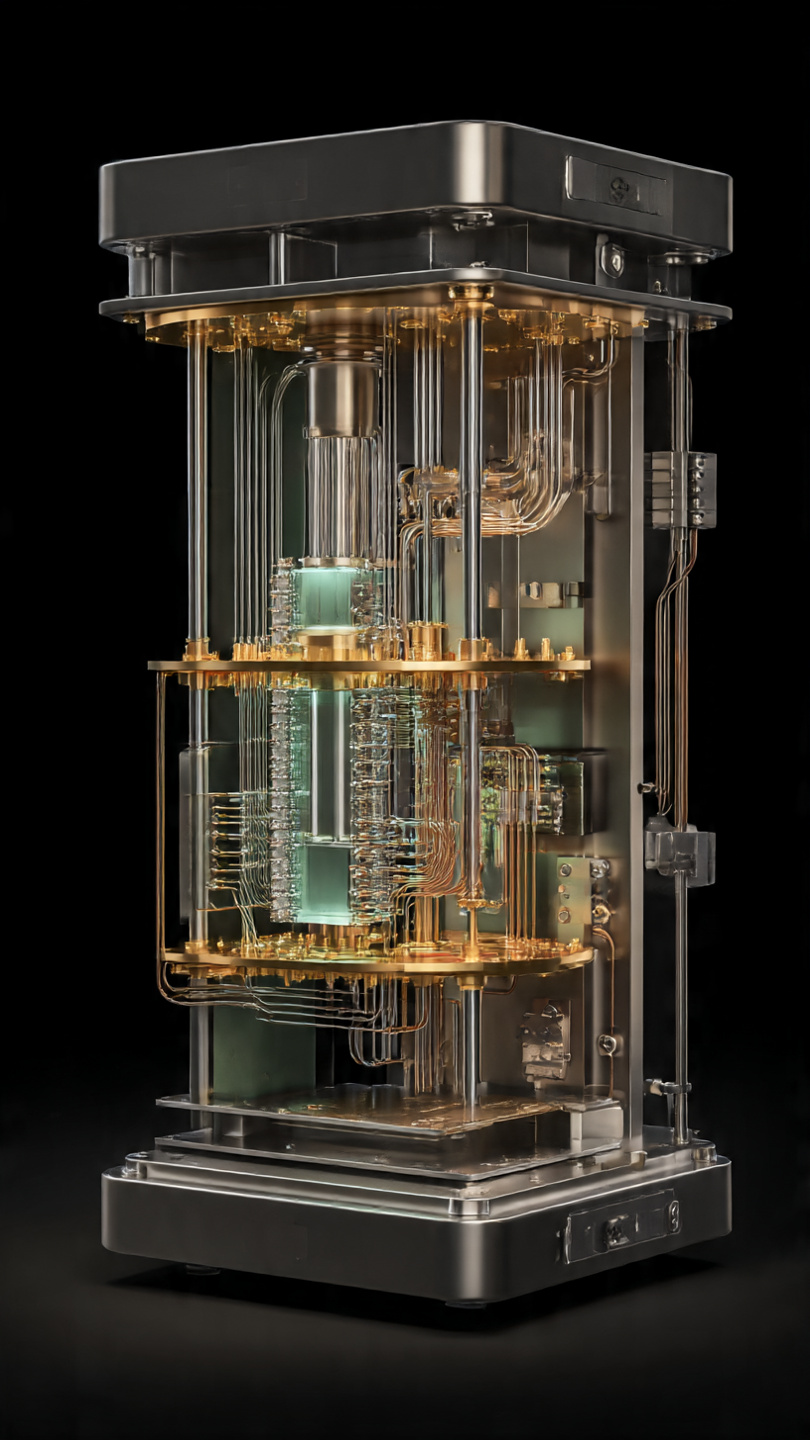
The Noisy Intermediate-Scale Quantum (NISQ) era represents the current state of quantum computing, where we have quantum computers with 50-1000 qubits but significant noise and limited coherence times. Understanding what these machines can actually do is crucial for realistic expectations.
What Makes a Quantum Computer "NISQ"?
NISQ computers are characterized by:
- Intermediate Scale: 50-1000 qubits, too small for error correction but large enough for some applications
- Noisy: High error rates (0.1-1%) that limit algorithm complexity
- Limited Coherence: Quantum states last only microseconds to milliseconds
- Imperfect Gates: Quantum gates have significant error rates
Practical Applications of NISQ Computers
Despite limitations, NISQ computers can perform useful tasks:
Quantum Simulation
NISQ computers excel at simulating quantum systems, particularly in chemistry and materials science. This includes:
- Molecular energy calculations
- Chemical reaction modeling
- Materials property prediction
- Drug discovery applications
Optimization Problems
Certain optimization problems show quantum advantage on NISQ computers:
- Portfolio optimization
- Logistics and scheduling
- Machine learning optimization
- Graph problems
Quantum Machine Learning
NISQ computers can run some quantum machine learning algorithms:
- Variational Quantum Eigensolver (VQE)
- Quantum Approximate Optimization Algorithm (QAOA)
- Quantum neural networks
- Quantum support vector machines
Limitations of NISQ Computers

NISQ computers have significant limitations:
- No Error Correction: Cannot correct errors, limiting algorithm complexity
- Short Coherence Times: Algorithms must complete before decoherence
- High Error Rates: Limit the depth of quantum circuits
- Limited Connectivity: Not all qubits can interact directly
Current NISQ Platforms
Several companies offer NISQ quantum computers:
- IBM Quantum: 127-qubit processors with cloud access
- Google Quantum AI: 70-qubit processors with advanced algorithms
- Rigetti Computing: 40-qubit processors for optimization
- IonQ: Trapped ion quantum computers with high fidelity
Getting Started with NISQ Computing
For those interested in NISQ computing:
- Learn Quantum Programming: Start with Qiskit, Cirq, or other frameworks
- Use Cloud Platforms: Access quantum computers through cloud services
- Study NISQ Algorithms: Focus on VQE, QAOA, and other NISQ algorithms
- Join Communities: Engage with quantum computing researchers
Future of NISQ Computing
NISQ computing will likely continue for several years as we work toward fault-tolerant quantum computers. Improvements in hardware and algorithms will expand the capabilities of NISQ computers, but they will always be limited by noise and lack of error correction.
Conclusion
NISQ computers represent an important step in the development of quantum computing. While they have limitations, they can perform useful tasks and provide valuable insights into quantum algorithms and applications. Understanding their capabilities and limitations is essential for anyone interested in quantum computing.



💬 Comments (0)
Share your thoughts and join the discussion
Please log in or register to leave a comment.
No comments yet. Be the first to share your thoughts!